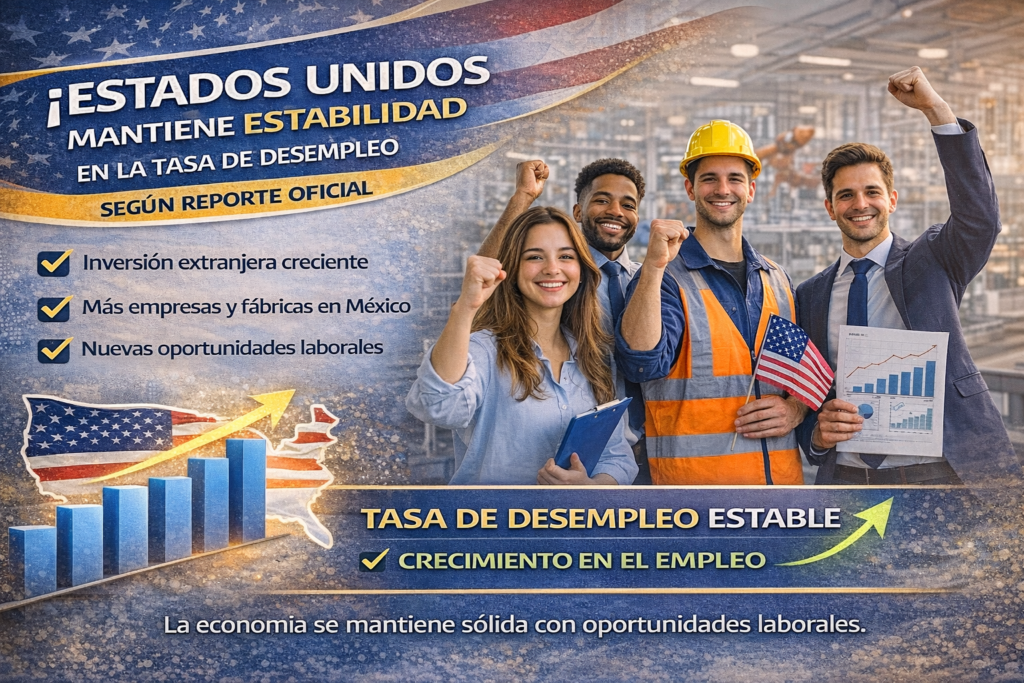
Estados Unidos Mantiene Estabilidad en la Tasa de Desempleo Según Reporte Oficial
The U.S. job market is a constant source of analysis and speculation. The latest official reports show that the unemployment rate remains stable, **reflecting an economy that, while not without its challenges, maintains a certain balance**. In this article, we will deeply explore what this stability means, which sectors are contributing most to this performance, and what implications it has for workers and businesses. Keep reading and discover the keys to understanding this economic moment! 🚀
¿Qué Significa una Tasa de Desempleo Estable? 🤔
When we talk about a stable unemployment rate in the United States, we are referring to a situation where the percentage of unemployed people remains relatively constant over a period of time. This doesn’t necessarily mean that everything is perfect or that there are no challenges, but it does indicate that the economy is not experiencing significant fluctuations in terms of job creation or loss. A stable rate often reflects a balance between people entering the workforce and available job positions. 👍
In simpler terms, a stable rate suggests that the economy is neither rapidly expanding nor contracting. This stability can be beneficial as it allows businesses to plan for the future with greater certainty, and it provides workers with a sense of security about their jobs. However, it is crucial to remember that this is just one piece of the puzzle. A low but stagnant unemployment rate can also indicate underlying issues, such as wage stagnation or a lack of opportunities for career advancement. 🧐
Sectores Clave que Impulsan la Estabilidad Laboral 💪
The stability of the U.S. unemployment rate is not uniform across all sectors. Certain industries are driving job creation and maintaining stability, while others may be struggling. Identifying these key sectors is essential to understanding the overall health of the labor market. Some of the sectors that have shown strength in recent months include:
- Healthcare: The healthcare sector continues to be a major driver of job growth, fueled by an aging population and increased demand for medical services. This includes not only doctors and nurses but also administrative staff and healthcare technicians. 🏥
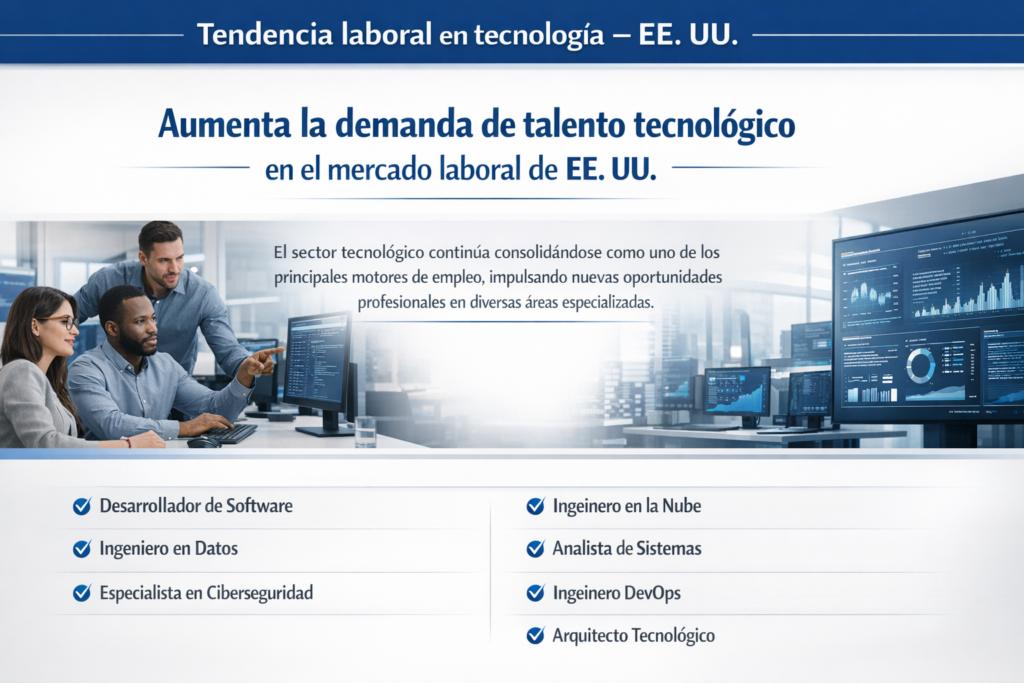
- Technology: Despite some high-profile layoffs in certain tech companies, the technology sector as a whole continues to expand, particularly in areas such as software development, cloud computing, and cybersecurity. 💻
- Leisure and Hospitality: After suffering significant losses during the pandemic, the leisure and hospitality sector has been recovering steadily, adding jobs in restaurants, hotels, and entertainment venues. 🏨
- Professional and Business Services: This sector, which includes a wide range of services from accounting to consulting, has also been contributing to job growth, driven by the increasing complexity of the business environment. 📊
It’s important to note that these sectors are not immune to economic challenges, but their continued growth has been a significant factor in maintaining the stability of the unemployment rate. 🤔
Factores Económicos que Influyen en el Desempleo 💸
Several economic factors play a crucial role in influencing the unemployment rate in the United States. These factors can either contribute to stability or create volatility, depending on their direction and magnitude.
- Interest Rates: The Federal Reserve’s monetary policy, particularly its decisions regarding interest rates, can have a significant impact on the job market. Higher interest rates can slow down economic growth and lead to job losses, while lower rates can stimulate growth and create jobs. 🏦
- Inflation: High inflation can erode consumer purchasing power and reduce demand for goods and services, leading to layoffs and a higher unemployment rate. Conversely, low and stable inflation can support economic growth and job creation. 📈
- Government Spending: Government spending on infrastructure projects, education, and other programs can create jobs and stimulate economic activity, helping to lower the unemployment rate. Conversely, cuts in government spending can lead to job losses. 🏛️
- Global Economic Conditions: The U.S. economy is interconnected with the global economy, and economic conditions in other countries can affect the job market. A slowdown in global growth can reduce demand for U.S. exports, leading to job losses in export-oriented industries. 🌎
Understanding these economic factors is crucial for interpreting the unemployment rate and predicting future trends in the labor market. 🤓
Implicaciones para los Trabajadores Estadounidenses 🧑💼
The stability of the unemployment rate has several implications for American workers. On one hand, it suggests that job opportunities are relatively abundant, and workers who are looking for jobs may have a good chance of finding them. On the other hand, a stable rate may also indicate that wage growth is limited, and workers may not see significant increases in their earnings. 💰
For workers in sectors that are experiencing strong growth, such as healthcare and technology, the outlook is generally positive. These workers may have more opportunities for career advancement and higher pay. However, workers in sectors that are struggling may face job insecurity and limited wage growth. 🤔
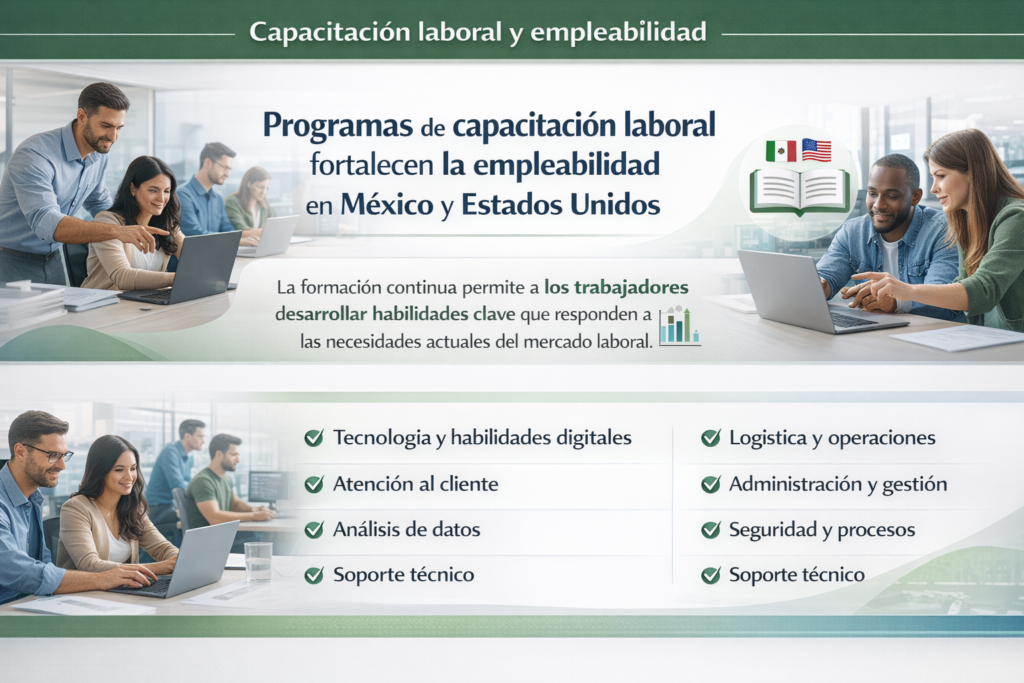
Regardless of their industry, American workers should focus on developing skills that are in high demand, such as technical skills, problem-solving skills, and communication skills. Investing in education and training can improve their job prospects and increase their earning potential. 📚
Desafíos y Oportunidades a Futuro en el Mercado Laboral 🔮
Looking ahead, the U.S. labor market faces both challenges and opportunities. Some of the key challenges include:
- Automation: The increasing automation of jobs, particularly in manufacturing and transportation, could lead to job losses for workers who perform routine tasks. 🤖
- Skills Gap: A growing skills gap between the skills that employers need and the skills that workers possess could limit economic growth and increase unemployment. 😕
- Aging Workforce: The aging of the workforce could lead to a shortage of skilled workers and put pressure on social security and healthcare systems. 👵
However, there are also significant opportunities, including:
- Green Economy: The transition to a green economy could create new jobs in renewable energy, energy efficiency, and sustainable transportation. ♻️
- Technological Innovation: Continued technological innovation could create new industries and jobs that we cannot even imagine today*. 💡
- Globalization: Increased globalization could expand export markets and create jobs in export-oriented industries. 🌎
To prepare for the future, American workers and businesses must be proactive and adaptable. Workers should invest in education and training to develop the skills that are in demand, and businesses should invest in innovation and technology to create new products and services. 💪
The U.S. unemployment rate’s stability reflects a delicate balance in the economy. Key sectors like healthcare and technology are boosting employment, while economic factors such as interest rates and global conditions exert considerable influence. American workers must stay informed and adapt to seize future opportunities and overcome potential challenges.